192.168.1.13
 Guide to 192.168.1.13 Admin Login
The IP address 192.168.1.13 is a private address used inside local networks to identify a specific router or connected device. Typing this address into a web browser opens the device’s built in management page, where its core controls are located. This interface acts as a central hub for viewing the device’s status and making changes to its network configuration, all from one place.
Instructions to Enter 192.168.1.13 Admin
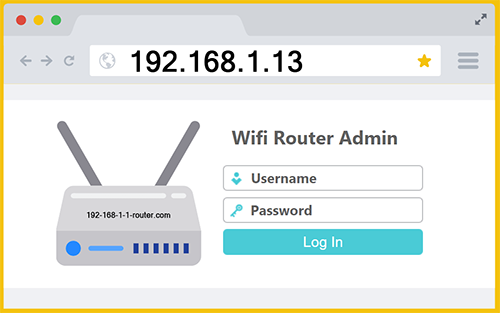
Before accessing the device’s administrative control panel, confirm that your phone is connected to the same WiFi network as the device itself. Once the connection is established, open a web browser such as Chrome or Safari and manually enter “192.168.1.13” into the address bar. It is critical that the address is typed into the URL field at the top of the browser rather than a search field, as misplacement will prevent the interface from loading. If the IP address is recognized and reachable, the device’s authentication screen will appear, prompting you for administrator credentials. You may also access the login interface directly using the following link:
Plausible username: admin
Plausible passwords: admin & password
Typing https://192.168.1.13 into a search engine will not open your smart device’s configuration page. When the address is entered into a search box, it is treated as a standard search query rather than a direct request to a local network device. Because of this, the browser displays search results instead of the device’s login screen. Router and smart device admin pages exist only within your private network and are not publicly accessible websites, which means search engines cannot reach them. To access the device’s admin interface, the IP address must be entered directly into the browser’s address bar at the top of the screen. This instructs the browser to connect straight to the device on your local network and load the correct management page.
What Devices Use 192.168.1.13 as Admin?
The IP address 192.168.1.13 is a private network address commonly assigned to devices inside a home or office Wi-Fi network. Unlike public IP addresses, it is not reachable from the Internet and only works within your local network. When people search for this address, they are usually trying to access the admin or configuration page of a device connected to their router. This could include a wireless router, WiFi extender, mesh node, smart hub, security camera, or even a network attached storage device that has been assigned this specific local IP.
If 192.168.1.13 opens a login screen in your browser, it means the address is actively assigned to a device on your network and that device is responding correctly. The login page is the control center where network or device settings can be adjusted. Depending on the hardware, this interface may allow you to change WiFi names and passwords, update firmware, manage connected devices, configure security options, or adjust advanced network settings. Each manufacturer designs its admin panel differently, but the purpose is always the same: centralized control of the device.
If the page does not load, the most common reason is that the device using 192.168.1.13 is not currently connected or the IP address has changed. Many routers assign IP addresses dynamically, meaning a device may receive a different address after a restart or power outage. In this case, checking your router’s connected device list can help identify which device is using 192.168.1.13 or what its new address might be. The device may also be offline, misconfigured, or connected to a different network than your phone or computer. If you are trying to log into a router as admin and 192.168.1.13 is not showing you anything, there are other IPs to consider. For example: 192.168.1.1 is the #1 default for many router brands.
It is also important to enter 192.168.1.13 directly into your browser’s address bar rather than a search engine. Admin pages for smart devices exist only on your private network and cannot be indexed or accessed by Google or other search providers. Once entered correctly and while connected to the same WiFi network, your browser communicates directly with the device and loads its local management interface. If you reach a username and password prompt, you are in the right place and can proceed with the device’s default or custom login credentials.
192.168.13
The address 192.168.13 is not a valid private IP address because it is incomplete and does not follow the required IPv4 format. A valid IPv4 address must contain four numerical segments separated by dots, with each segment ranging from 0 to 255. While private network addresses commonly begin with 192.168, they still require four full octets to identify a specific device on a local network. Since 192.168.13 is missing a fourth segment, it cannot represent an actual device address and will not point to any router or smart device admin page. Browsers and network equipment treat it as an invalid or malformed address, which is why it cannot be used to access local network settings.