192.168.1.12
 Guide to 192.168.1.12 Admin Login
The IP address 192.168.1.12 is often assigned to routers or network devices as a local access point for managing settings. When this address is entered into a web browser like Chrome, it opens the device’s control panel. From this interface, you can manage the device and adjust a wide range of settings from one central dashboard.
Steps to Open 192.168.1.12 Admin
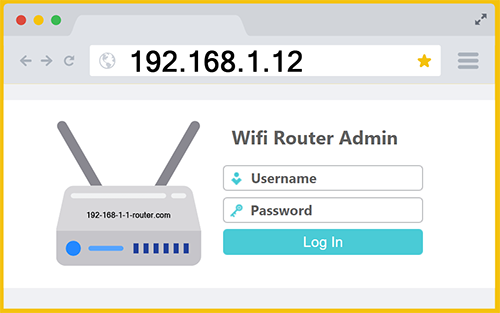
Before you can open your device’s configuration page, make sure your phone is connected to the same WiFi network. Once connected, launch a web browser such as Chrome or Safari and enter “192.168.1.12” into the address bar. Be sure to type it into the address field at the top, not a search box, otherwise the page won’t load correctly. If the address is valid, the smart device’s sign in screen will appear, asking for an admin username and password. You may also reach the login screen using this link:
Widely used default username: admin
Widely used default password: admin or password
Entering https://192.168.1.12 into a search engine won’t open your smart device’s settings. When you type the address into Google’s search box, it’s handled as a normal web query, not a local network command. As a result, you’ll see search results instead of the router’s login screen. Smart device login pages aren’t public websites, so search engines can’t connect to them. To reach the admin panel of the device, the IP address must be typed directly into your browser’s address bar at the top of the window. Doing this tells your browser to communicate with that specific device on your local network and loads the correct configuration page.
Why 192.168.1.12 Appears on Many Devices
The IP address 192.168.1.12 is a private local address that exists only inside your home or office network. It is not visible on the public Internet and cannot be accessed by anyone outside your WiFi or wired connection. Addresses like this are automatically assigned by your router to devices such as smart TVs, security cameras, printers, thermostats, speakers, and other connected equipment. If you are searching for 192.168.1.12, it usually means you are trying to identify, access, or manage a specific device that is currently connected to your network.
In many cases, 192.168.1.12 belongs to a smart device that offers a built in web interface. Some devices allow you to type their local IP address into a browser to open a control panel, setup screen, or status page. This is common with network cameras, network attached storage devices, smart hubs, and certain IoT controllers. If the page loads, you may see options to configure settings, update firmware, change network preferences, or view device information such as model number and connection status.
If nothing loads when you enter 192.168.1.12, the device may not support browser based access, or the address may have changed. Routers often assign IP addresses dynamically, meaning a device can receive a different number after a restart or power outage. If the device you are hunting for is a wireless router, there are more common IPs such as 192.168.1.1 which might be worth investigating. To confirm what device is using this address, you can log into your router and check the list of connected devices. There you will usually see the device name, manufacturer, and assigned IP, which makes it much easier to identify what you are trying to reach.
Understanding local IP addresses like 192.168.1.12 is incredibly useful when troubleshooting smart home issues. Whether you are trying to fix a device that went offline, speed up a connection, or regain access to a setup page, knowing how your router assigns and manages local addresses gives you control over your network. Once you identify the device tied to this IP, you can decide whether to configure it directly, reserve the address so it never changes, or adjust your network to make future access easier.
192.168.12
The address 192.168.12 is not a valid IP because it’s missing one of the required numeric sections. A proper IPv4 address must contain four numbers separated by dots, and 192.168.12 only has three. Because of this, Chrome won’t know how to route the request, and nothing useful will load. In many cases, this is simply a typo. Changing it to 192.168.1.12 adds the missing segment and may lead you directly to the smart IoT device you’re trying to access on your local network, such as a camera, hub, printer, or other connected device.