192.168.1.14
 Guide to 192.168.1.14 Admin Login
The IP address 192.168.1.14 is a private network address used within local networks to identify a router or connected device. Entering this address into a web browser brings up the device’s built in control panel, where all essential settings are managed. This dashboard serves as a central location for checking system status and adjusting network configuration in one convenient place.
Guide to Opening 192.168.1.14 Settings
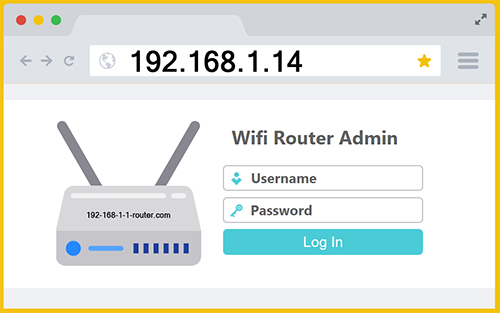
Before attempting to open the administrator dashboard, make sure your phone is connected to the same Wi-Fi network as the device. After confirming the connection, launch a web browser like Chrome and type 192.168.1.14 directly into the browser’s address bar. Be sure to enter the address at the top of the browser and not into a search box, since doing so will stop the page from loading correctly. If the device is available on the network, you will be taken to the login screen where administrator credentials are required. You can also reach the login page instantly by using the link below.
Possible username: admin
Possible passwords: admin or password
Entering https://192.168.1.14 into a search engine will not take you to your device’s settings page. When the address is placed in a search field, the browser interprets it as a general search instead of a direct connection to a local network device. As a result, you will see search results rather than the login screen. Administrative pages for smart devices are only accessible within your private network and are not available on the public Internet, so search engines cannot open them. To reach the admin interface, the IP address must be typed into the browser’s address bar at the top of the browser window, allowing a direct connection to the device and proper loading of its control panel.
What Smart Devices Utilize 192.168.1.14?
If you are looking for “192.168.1.14”, you are seeking a private IP address gateway, which means it is meant for use inside a home or office network rather than on the public Internet. Addresses in the 192.168.0.0 to 192.168.255.255 range are reserved for local networking, so they are commonly assigned by your router to devices that join your WiFi. In most homes, the router acts like a traffic manager and hands out these addresses automatically using DHCP. So when you see 192.168.1.14, it usually means a specific device on your network has been given that internal address so your phone, laptop, and other gear can communicate with it reliably.
What makes 192.168.1.14 interesting is that it often shows up as a device specific address rather than the router’s main gateway address. Many networks use 192.168.1.1 as the router itself, and then connected devices get nearby numbers like 192.168.10.1, 192.168.1.14, or 192.168.1.25. Sometimes a device ends up consistently using 192.168.1.14 because it was reserved in the router settings, or because the device was manually set to that address for convenience. That consistency matters for things like management dashboards, local web interfaces, streaming devices, smart home hubs, printers, and servers, where you want a predictable address you can type into a browser or point an app toward.
Smart devices may use an address like 192.168.1.14 for local control and faster, more reliable connections. A smart camera, thermostat hub, NAS, smart lighting bridge, or even a modern printer can offer a built in web panel that loads from its local IP address. This is especially useful when you need to change settings, update firmware, troubleshoot connectivity, or view status information without relying on cloud services. Local IP access can also improve privacy and responsiveness because your phone is talking directly to the device on your WiFi instead of sending everything out to the Internet and back.
Another reason devices may “stick” to 192.168.1.14 is stability in a busy network. If you have lots of smart home devices, addresses can shift over time as devices reconnect, reboot, or get new leases from the router. Assigning a device a consistent IP, whether through a DHCP reservation or manual configuration, helps avoid headaches with automations, integrations, and apps that expect to find the device at the same place every time. In other words, 192.168.1.14 is not special because it is globally unique, it is useful because it can become a reliable local destination for a specific device and its settings page inside your network.
192.168.14
192.168.14 is not a valid IP address because it is incomplete and does not follow the standard IPv4 format. A legitimate IPv4 address must contain four numeric sections called octets, each separated by a dot. In this case, 192.168.14 only includes three octets, which means the network and device location cannot be fully defined. To make it a proper and usable address, a third octet of 1 must be added, followed by a final device identifier, resulting in a complete address such as 192.168.1.14. Once all four octets are present, the address can be correctly recognized and used within a local network.